
Your Garage Door Springs Are Doing More Work Than You Think
Most homeowners in Savannah don't think about their garage door springs until something goes wrong. And when something does go wrong, it usually happens at the worst possible time — you're running late for work, loading up for a weekend trip to Tybee, or pulling into the driveway after a long day only to find your garage door won't budge.
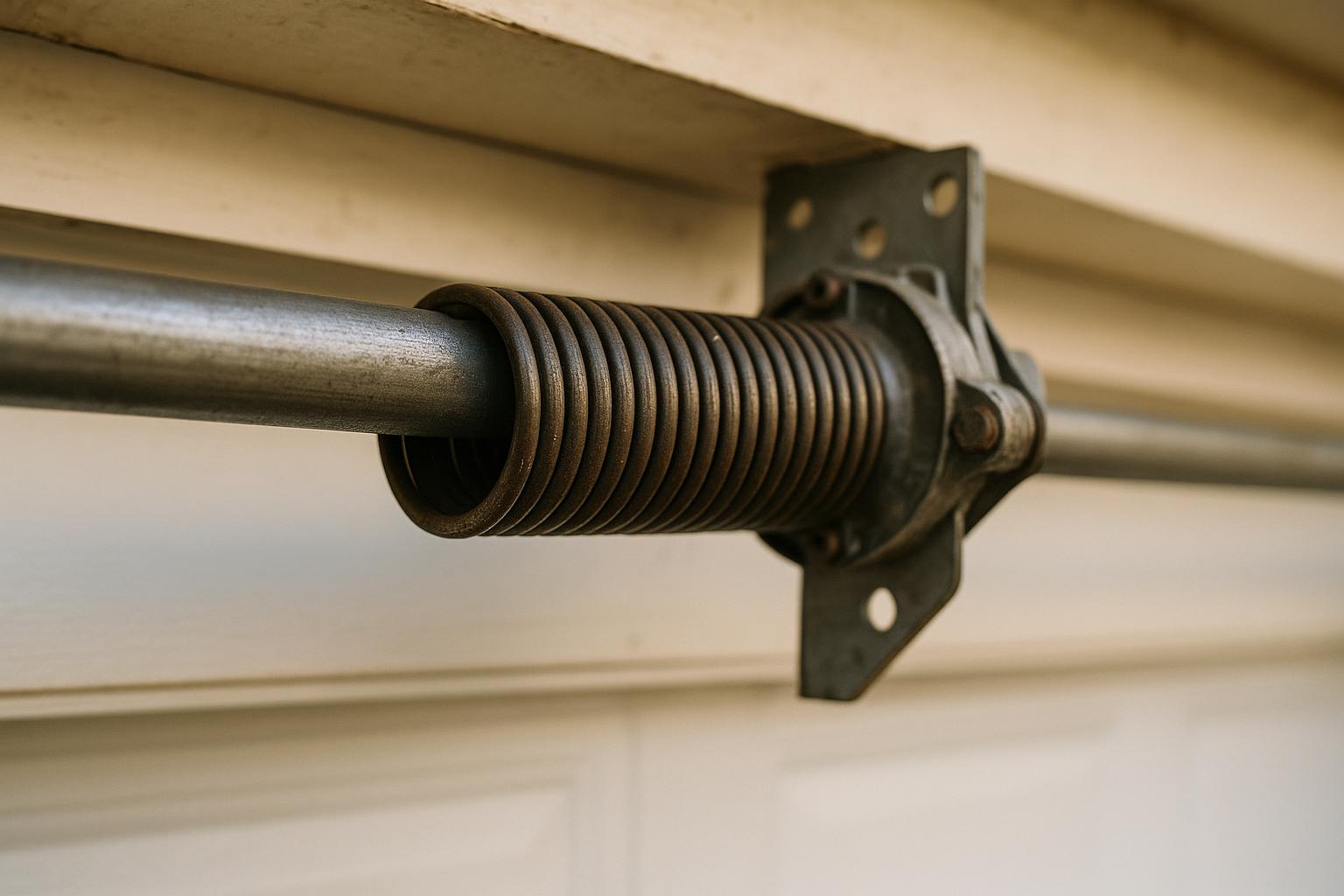
Garage door springs are the unsung heroes of your entire garage door system. They bear the full weight of the door — often 150 to 250 pounds or more — every single time it opens and closes. Over time, that constant tension takes its toll. Springs wear out, weaken, and eventually break. The good news is that they usually give you warning signs before they fail completely.
Here's how to tell if your garage door springs need replacing, what to do when they break, and why this is one repair you should never attempt on your own.
How Garage Door Springs Work
Before diving into the warning signs, it helps to understand what your springs actually do. There are two main types of garage door springs:
- Torsion springs — These are mounted on a metal shaft above the garage door opening. They use torque to lift the door and are the most common type found in homes across Savannah and the surrounding areas.
- Extension springs — These run along the horizontal tracks on either side of the door. They stretch and contract to help raise and lower the door. They're more common on older or lighter garage doors.
Both types are under extreme tension, which is what makes them effective — and dangerous when they fail.
Warning Signs Your Springs Are Wearing Out
Springs don't always snap without warning. In many cases, there are clear signs that they're nearing the end of their lifespan. Here's what to watch for:
1. Your Door Feels Heavier Than Usual
If you disconnect your garage door opener and try to lift the door manually, it should move relatively easily. A properly balanced door with healthy springs will stay in place when you lift it halfway. If the door feels extremely heavy or slams down when you let go, your springs are likely losing their tension.
2. The Door Opens Unevenly or Crooked
When one spring weakens faster than the other — or if one has already broken — the door may rise unevenly. You might notice one side lifting higher than the other, or the door may appear crooked as it moves along the tracks. This puts extra stress on your opener and can cause additional damage if left unaddressed.
3. You Hear a Loud Bang From the Garage
A broken torsion spring releases its stored energy all at once, and it's loud. Many homeowners in Savannah describe hearing what sounds like a gunshot or a car backfiring coming from the garage. If you hear a sudden loud bang and your door won't open afterward, a broken spring is almost certainly the cause.
4. There's a Visible Gap in the Spring
Take a look at the torsion spring above your garage door. An intact spring is a tightly wound coil with no gaps. A broken spring will have a visible separation — a gap of an inch or two where the coil has snapped apart. This is one of the easiest ways to confirm a spring failure.
5. Your Opener Struggles or Stops Working
Your garage door opener is designed to work with the springs, not to do all the heavy lifting on its own. When springs weaken or break, the opener has to work much harder. You might notice it straining, moving the door more slowly, or stopping partway through the cycle. Continuing to use the opener with bad springs can burn out the motor entirely.
6. The Door Closes Too Fast
Healthy springs control the speed at which your door closes. If the door drops faster than normal or slams shut, the springs aren't providing enough counterbalance. This is a safety hazard, especially for families with children or pets.
How Long Do Garage Door Springs Last?
Most standard garage door springs are rated for approximately 10,000 cycles. One cycle equals one full open and one full close. For the average household that opens and closes the garage door about four times a day, that works out to roughly seven to ten years of use.
However, several factors can shorten that lifespan:
- Humidity and salt air — Here in Savannah, our coastal climate means higher humidity and salt exposure, which can accelerate rust and corrosion on metal springs.
- Lack of maintenance — Springs that aren't lubricated regularly wear out faster.
- Heavy doors — Larger or insulated doors put more strain on springs, reducing their cycle life.
If your garage door springs are approaching the seven-year mark, it's worth having them inspected even if they seem to be working fine.
Why You Should Never Replace Springs Yourself
We understand the DIY spirit — plenty of homeowners in Pooler, Richmond Hill, and Rincon are handy and capable. But garage door spring replacement is genuinely one of the most dangerous home repairs you can attempt. Torsion springs are under hundreds of pounds of tension, and an improper release can cause serious injury or even death.
Every year, emergency rooms across the country treat injuries caused by DIY garage door spring repairs. The tools required are specialized, the process demands precise calibration, and the margin for error is razor thin.
Professional technicians have the training, tools, and experience to replace springs safely and correctly. They'll also ensure the new springs are properly balanced and matched to the weight of your specific door.
What to Do If Your Spring Breaks
If you suspect a broken spring, here's what we recommend:
- Stop using the door immediately. Don't try to force it open or closed with the opener. This can damage the opener, cables, or tracks.
- Do not attempt to manually lift the door. Without functioning springs, the full weight of the door is unsupported, and it can come crashing down.
- Call a professional. A trained garage door technician can safely replace the spring, inspect the rest of the system, and have your door working again quickly.
Preventive Maintenance Makes a Difference
The best way to avoid a surprise spring failure is regular maintenance. A simple annual tune-up can extend the life of your springs and help catch problems before they turn into emergencies. During a maintenance visit, a technician will:
- Lubricate the springs, hinges, and rollers
- Check spring tension and door balance
- Inspect cables, tracks, and hardware for wear
- Test the safety features of your opener
For homeowners in Savannah, Garden City, and Port Wentworth, scheduling a maintenance visit before the hottest months of summer — when garage doors tend to get the most use — is a smart move.
Keep Your Garage Door Safe and Reliable
Your garage door springs work hard every day, and they deserve a little attention before they give out. If you've noticed any of the warning signs we've covered, or if it's simply been a while since your last inspection, don't wait for a full failure to take action.
At Savannah Garage Door, we handle spring replacements and maintenance for homeowners across Savannah and the surrounding communities. Whether you need an emergency repair or want to get ahead of a potential problem, our team is here to help you keep your garage door running safely and smoothly.